
These essays are based on over 40 years professional work and research with children who have experienced violence and abuse. The essays are about children, abuse, silence and the path back to safety.
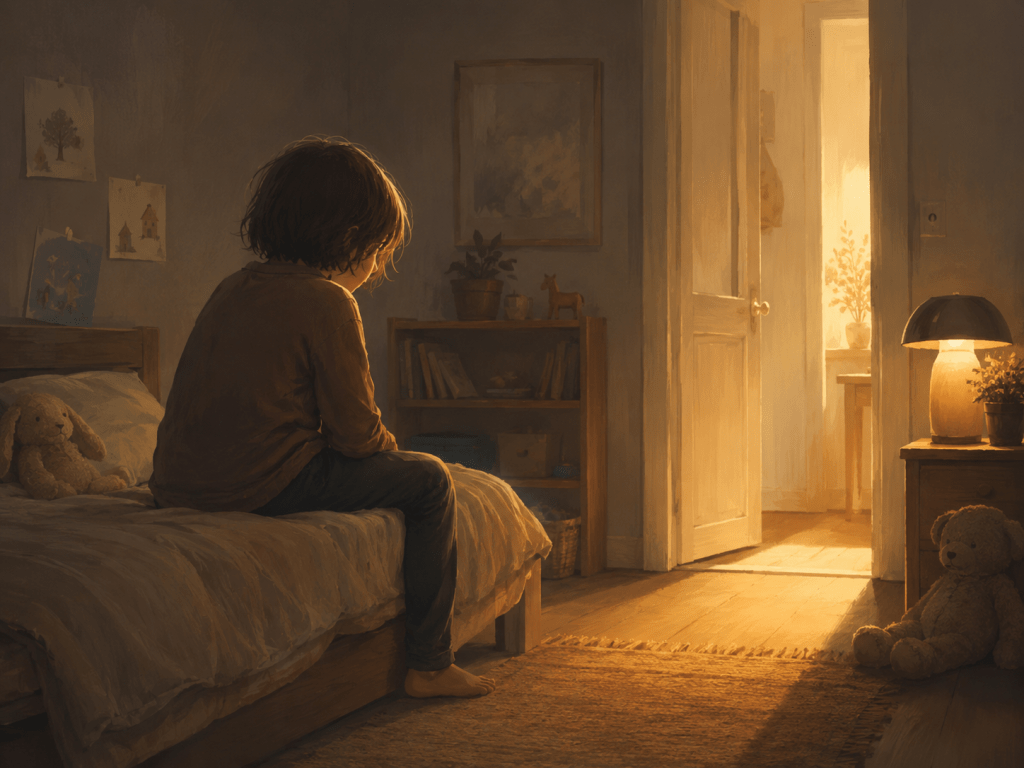
Waking Up to See – Waking Up to Hear
When a Child’s Distress Becomes a Question for the Adult
An Unloved Child
When the Absence of Love Becomes a Form of Violence
When Care Fails a Child, But Does Not Disappear
In the ability to remain in uncertainty. To see what is there.
And still act.
Children Living with Domestic Violence
To stay human in the presence of another human being—
and not turn away.
Daring to Ask
When Fear Silences—and Safety Makes Speech Possible
Half a Horse’s Head Behind the Child
On Listening Without Taking the Story Away from the One Who Owns It
When the Child Does Not Speak
Silence Is Not Necessarily Empty
The Child Is Not a Case
On Protecting Without Turning the Child into Evidence
After the Child Has Spoken
When the Disclosure Becomes the Adult’s Responsibility
The Child Who Became What the Adults Saw
When Neglect Is Misread as a Deficit in the Child
Before a Child Can Learn, the Child Must Feel Safe
When the Body Is Still Living in Danger
Beginning Where the Child Is
Help Does Not Begin with Our Plans, but with the Child’s Story
The Calm Voice
When Healing Begins Before Words
The Right to Decide What Happens to One’s Own Body
When Care Must Not Be Imposed
Giving the Child a Small Part of the World Back
On Choice, Control, and Dignity After Trauma
Healing Happens in What Is Repeated
When Everyday Life Slowly Teaches the Body That the Danger Is Over
When Shame Remains with the One Who Was Not to Blame
Sexual Abuse, Moral Confusion, and Professional Responsibility
The Child Who Loses the Right to Say No
Sexual Abuse, Boundaries, and Autonomy
When the Body Remembers What Language Cannot Say
Sexual Abuse, Bodily Memory, and Professional Responsibility
Dissociation as Protection and Burden
Sexual Abuse, Fragmentation, and Professional Responsibility
When the Diagnosis Conceals the Story
Sexual Abuse, Symptoms, and Professional Responsibility
The One Adult Who Makes a Difference
Sexual Abuse, Protection, and the Restoration of Dignity
When the abuse is visible, but the child remains invisible
New research on child sexual abuse in a digital world

